
Description
MOTS-c (10mg) in the UK – Research Overview for Scientific and Laboratory Use
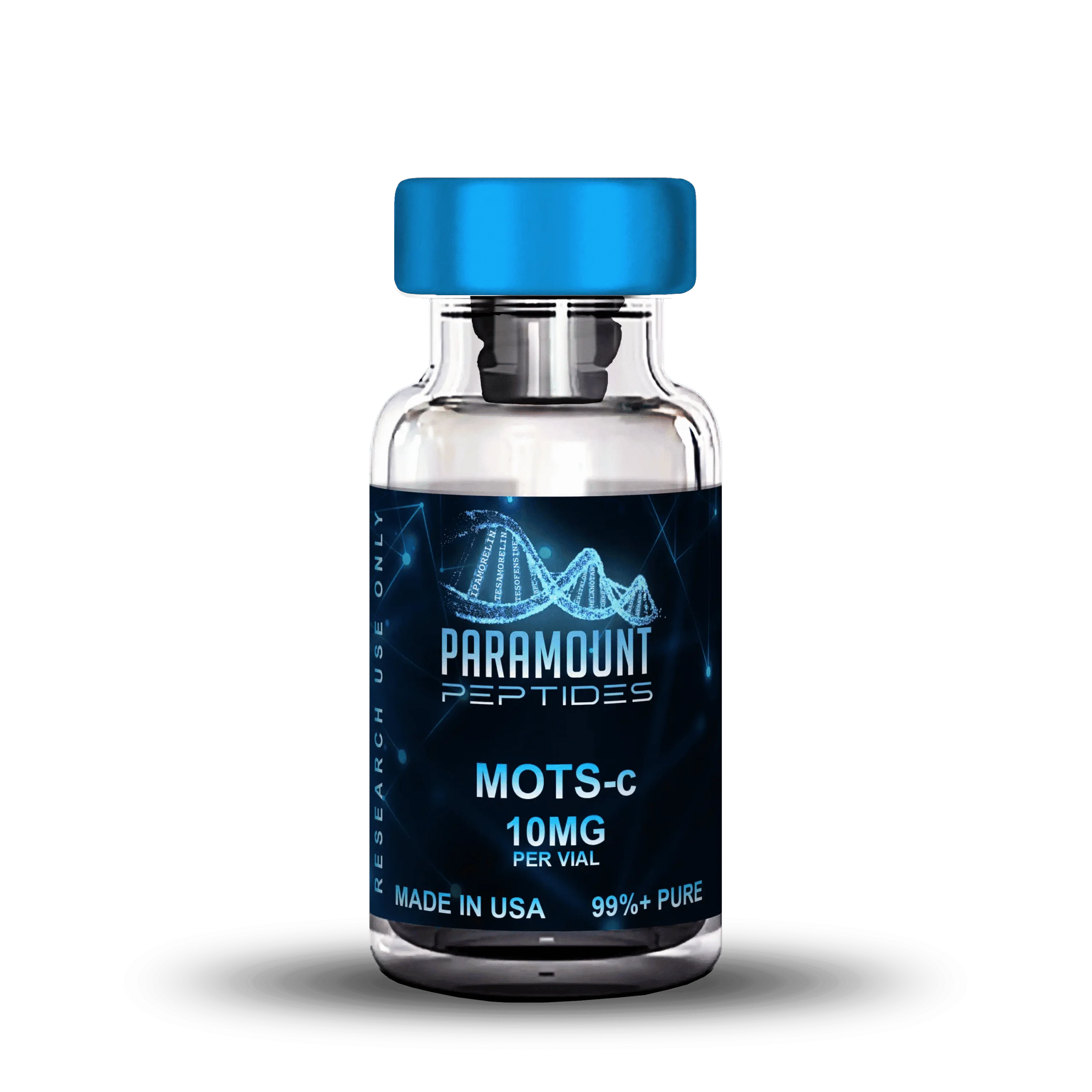
MOTS-c (10mg) in the UK has become a rapidly emerging topic within academic, biochemical, and laboratory research environments. As a mitochondrial-derived peptide, MOTS-c plays a unique role in cellular metabolism and energy regulation. Therefore, researchers across the UK continue to investigate its biological properties in controlled experimental settings.
Importantly, MOTS-c (10mg) in the UK is not for human consumption and is intended strictly for research and educational purposes only. Consequently, individuals searching for this compound typically seek scientific information, experimental insights, and academic resources.
Moreover, research interest continues to grow across major UK regions, including London, Manchester, Birmingham, Leeds, Glasgow, and South East England. As a result, MOTS-c (10mg) in the UK remains a high-value keyword in peptide science, mitochondrial research, and metabolic studies.
What Is MOTS-c (10mg) in the UK and Why Researchers Study It
MOTS-c is a mitochondrial-derived peptide encoded within mitochondrial DNA. Researchers study this peptide because it plays a role in regulating metabolic pathways, cellular energy balance, and stress responses.
Additionally, MOTS-c (10mg) in the UK is used in laboratory models to explore how cells adapt to metabolic stress and environmental changes. Scientists analyse its involvement in glucose metabolism, energy regulation, and cellular signalling pathways.
Furthermore, MOTS-c contributes to research in molecular biology, metabolic science, and mitochondrial function. Because these areas are essential in modern research, this peptide continues to attract attention among academic institutions.
MOTS-c (10mg) Research Trends in South East England and Major UK Cities
Research into MOTS-c (10mg) in the UK is particularly strong in South East England, including London, Surrey, Kent, and Essex. These regions host leading universities and biotechnology laboratories focused on mitochondrial biology and peptide research.
In addition, cities such as Manchester, Birmingham, Cambridge, and Oxford serve as major research hubs. Scientists in these locations explore MOTS-c to better understand metabolic regulation and mitochondrial signalling.
Moreover, increased access to academic journals, online research platforms, and scientific databases has expanded awareness. Consequently, search demand for MOTS-c (10mg) continues to rise across UK research communities.
Potential Research Applications of MOTS-c (10mg) in the UK
MOTS-c (10mg) in the UK supports a wide range of laboratory applications:
- Metabolic pathway analysis and energy regulation studies
- Mitochondrial function and signalling research
- Cellular stress response investigations
- Experimental models of metabolic adaptation
Additionally, researchers use MOTS-c to examine interactions between mitochondrial signalling and cellular processes. Because these areas remain critical in biological research, this peptide plays a significant role in laboratory experiments.
Furthermore, its ability to influence metabolic pathways makes it valuable in academic and scientific studies.
Understanding Mitochondrial Peptide Research and MOTS-c (10mg) in the UK
Mitochondrial peptides represent a relatively new area of scientific exploration. Therefore, MOTS-c provides researchers with a model to study how mitochondrial DNA influences cellular function.
In addition, MOTS-c interacts with metabolic signalling pathways that regulate energy balance and stress responses. Scientists analyse these interactions to gain deeper insights into cellular biology.
Moreover, this peptide highlights the connection between mitochondrial activity and overall cellular regulation, making it an important subject in research.
Safety and Regulatory Considerations for MOTS-c (10mg) in the UK
Safety is essential when handling research peptides such as MOTS-c. This compound is not approved for human use in the UK and must only be used in controlled laboratory environments.
Researchers should follow strict protocols, including:
- Proper storage and handling procedures
- Use of personal protective equipment
- Accurate documentation of experiments
Furthermore, compliance with UK research regulations ensures ethical practices and reliable results.
Why MOTS-c (10mg) in the UK Gains Attention in Research Communities
MOTS-c attracts attention because of its unique origin and role in mitochondrial signalling. Researchers value its ability to influence metabolic pathways and cellular energy regulation.
Additionally, MOTS-c appears frequently in scientific discussions, peer-reviewed journals, and academic publications. As a result, it remains a relevant topic in UK research communities.
Moreover, advancements in mitochondrial biology and metabolic research continue to highlight the importance of peptides like MOTS-c.
Differences Between MOTS-c and Other Peptides in UK Research
MOTS-c differs from many peptides because it originates from mitochondrial DNA rather than nuclear DNA. While other peptides may focus on hormonal or receptor-based signalling, MOTS-c primarily influences metabolic regulation and cellular energy balance.
Therefore, researchers use MOTS-c in studies related to metabolism and mitochondrial function rather than general peptide research.
This distinction makes it particularly valuable for understanding cellular adaptation and energy processes.
MOTS-c (10mg) in the UK for Academic and Laboratory Research
Academic institutions across the UK, including London, Oxford, Cambridge, and Manchester, actively study mitochondrial peptides like MOTS-c. Laboratories use this compound to simulate metabolic processes and cellular responses.
Additionally, researchers incorporate MOTS-c into experimental models that explore mitochondrial signalling and energy regulation. These studies contribute to scientific publications and academic advancements.
Consequently, MOTS-c remains an important subject in university research programs and laboratory investigations.
Common Questions About MOTS-c (10mg) in the UK
People searching for oMOTS-c (10mg) in the UK ften ask:
- What is MOTS-c used for in research?
- How does MOTS-c influence metabolism?
- Is MOTS-c approved for human use?
- What makes MOTS-c different from other peptides?
Providing accurate answers ensures clarity and supports responsible communication.
Responsible Communication About MOTS-c (10mg) in the UK
Responsible communication ensures clarity and prevents misuse. Therefore, all information about MOTS-c should remain factual, educational, and research-focused.
Moreover, transparency helps audiences understand that MOTS-c is not for human consumption.
Future Outlook for MOTS-c (10mg) Research in the UK
The future of MOTS-c research in the UK remains promising. Scientists continue to explore its role in metabolism, mitochondrial function, and cellular signalling.
However, broader applications would require extensive clinical trials and regulatory approval. Until then, MOTS-c remains strictly a research compound.
Consequently, ongoing studies will shape its future significance in scientific research.
Conclusion – MOTS-c (10mg) in the UK as a Research Topic
MOTS-c (10mg) in the UK continues to gain attention among researchers, academics, and scientific institutions. Although it plays a valuable role in laboratory studies, it does not serve as a consumer product.
Therefore, individuals should treat MOTS-c strictly as a research compound. Moreover, continued investigation will expand understanding in mitochondrial biology and metabolic science.




Reviews
There are no reviews yet.