
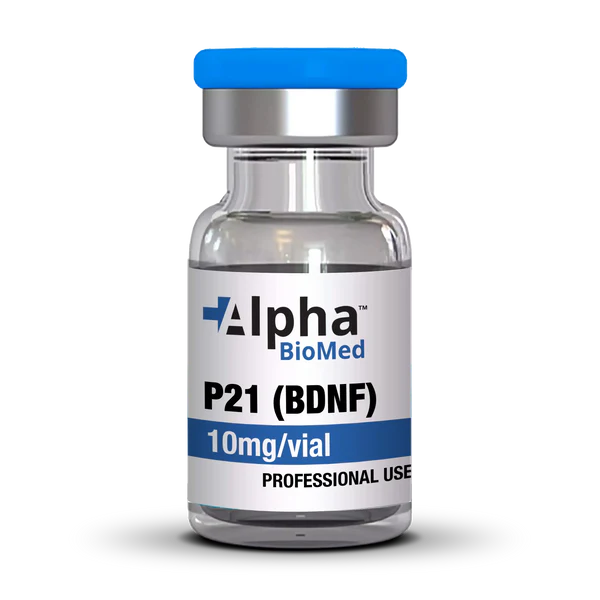
Description
Analysis Note
The biological activity is determined by its ability to stimulate the proliferation of human neuroblastoma cells, SH-SY5Y.
Application
Brain-derived neurotrophic factor (BDNF) recombinant human protein has been used as a supplement in various types of culture media.
Biochem/physiol Actions
Brain-derived neurotrophic factor (BDNF) is a 13.6 kDa (or 27.2 kDa dimer) member of the neurotrophin family. BDNF has identical amino acid sequence in human, mouse, and pig with full cross-reactivities. BDNF is important in development and maintenance of neuronal populations within the central nervous system or cells directly associated with it. BDNF has been shown to enhance the survival and differentiation of several classes of neurons in vitro, including neural crest and placode-derived sensory neurons, dopaminergic neurons in the substantia nigra, basal forebrain cholinergic neurons, hippocampal neurons, and retinal ganglial cells.
General description
BDNF is a member of the neurotrophin family of growth factors that includes NGF, NT-3, and NT-4. All neurotrophins have six conserved cysteine residues and share a 55% sequence identity at the amino acid level. BDNF has been shown to enhance the survival and differentiation of several classes of neurons in vitro, including neural crest and placode-derived sensory neurons, dopaminergic neurons in the substantia nigra, basal forebrain cholinergic neurons, hippocampal neurons, and retinal ganglial cells.1 BDNF is expressed within peripheral ganglia and is not restricted to neuronal target fields, raising the possibility that BDNF has paracrine or even autocrine actions on neurons as well as non-neuronal cells.The active form of BDNF recombinant human protein (27 kDa) is a dimer formed by two identical 119 amino acid subunits held together by strong hydrophobic interactions
Physical form
lyophilized from a sterile 0.2 µm filtered solution with BSA
BDNF is a member of the nerve growth factor family of trophic factors. In the brain BDNF has a trophic action on retinal, cholinergic, and dopaminergic neurons, and in the peripheral nervous system it acts on both motor and sensory neurons.
Some protein domains of BDNF are identical with those of NGF and another neurotrophic factor, designated NT-3 (neurotrophin-3) . It exists as monomers and homodimers, and binds to NTRK2/TRKB. Polyclonal antibodies raised against murine NGF have been shown to cross-react with both NT-3 and BDNF.
The propeptide is N-glycosylated and glycosulfated. BDNF is converted into mature BDNF by plasmin (PLG) . It is expressed in brain, and highly expressed in hippocampus, amygdala, cerebral cortex and cerebellum; it is also expressed in heart, lung, skeletal muscle, testis, prostate and placenta.
Recombinant Human Brain-Derived Neurotrophic Factor produced in E.coli is a homodimer, non-glycosylated, polypeptide chain containing 2 x 119 amino acids and having a total molecular mass of 26,984 Daltons. BDNF has been tested by SDS-PAGE and is suitable as a control for polyclonal or monoclonal anti-BDNF in immunological assays.
| Name | Recombinant human BDNF protein |
| Biological description | BDNF (Brain-derived neurotrophic factor) is a member of the neurotrophin growth factor family and is highly expressed in the brain. BDNF activates the TrkB and p75 (P75NTR) neurotrophin receptors.
BDNF plays an important role in brain development, physiology and pathology. Dysregulation of BDNF signaling is involved in several neurodegenerative disorders and BDNF also exerts effects on appetite, anxiety, cognition, reward and learning and memory. Synaptic transmission and plasticity BDNF contributes to adaptive neuronal responses such as LTP (long-term potentiation), LTD (long-term depression) and certain forms of short-term synaptic plasticity. Neurogenesis Stem Cells BDNF, GDNF and other supplements are often used to differentiate hPSC-derived neural progenitor cells into neurons. BDNF (human) is a recombinant protein expressed in and extracted from E. coli and purified to homogeneity. |
| Alternative names | Brain-derived neurotrophic factor, MGC34632 |
| Purity | >97% |
| Description | Member of the neurotrophin growth factor family. Plays an important role in synaptic plasticity and neurogenesis. |




Reviews
There are no reviews yet.